
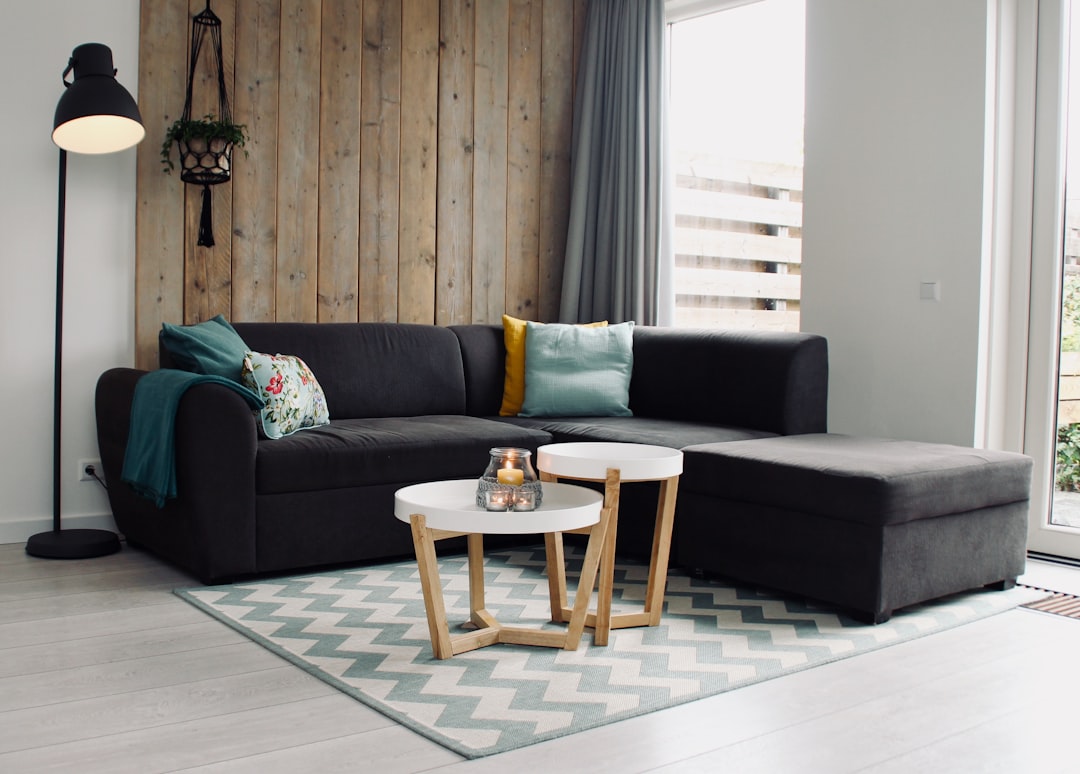
Easy Ways to Make a Small Living Room Feel Bigger
Small living rooms can feel cozy — or cramped. With the right moves you can make the space feel noticeably larger, more functional, and comfortable without a major renovation.
This guide offers practical, trustworthy tips you can apply this weekend. Each idea focuses on how the eye perceives space and how to rearrange, edit, and add pieces to open up your room.
Declutter and use smart storage
First step: remove visual clutter. Keep surfaces clear and store items out of sight. Use storage that looks intentional so the room feels tidy and streamlined. Lightweight, low-profile containers reduce bulk without calling attention to themselves — a set of Decorative Storage Baskets works well for blankets, toys, and magazines while adding texture.
Maximize natural light with the right window treatments
Natural light makes a room feel larger. Hang curtains high and wide: mount the rod a few inches below the ceiling and extend it beyond the window frame so curtains stack outside the glass when open. Choose airy fabrics and avoid heavy, crowding patterns. If you need full coverage for privacy or light control, opt for sheer layers combined with blackout panels for flexibility. Consider selecting Curtain Panels that are light in color and flow easily.
Layer lighting starting with tall fixtures
Good lighting lifts a small room visually. Add a tall lamp behind or beside seating to draw the eye upward and brighten corners that read as dark and cramped. A floor lamp with an upward-facing or adjustable head spreads light across walls and ceilings, increasing perceived volume. A single, well-placed Floor Lamps can transform a shadowy corner into usable space.
Introduce smaller lamps and reflective surfaces
In addition to a floor lamp, use low-profile lamps on side tables or shelves to create pools of light. Layered light prevents harsh contrasts that make rooms feel boxed in. Choose a pair of slim Table Lamps to anchor a sofa or accent chair and offer balanced illumination for evening tasks.
Define zones with the right rug
Use an area rug to visually group furniture and give the room structure. In small layouts, a rug that’s too small makes the space feel chopped. Aim for a rug large enough that at least the front legs of seating sit on it. A simple, subtle pattern or neutral tone expands the visual field. Browse Decorative Area Rugs for sizes and low-pile options that keep sightlines open.
Scale and arrange furniture for flow
Choose furniture proportional to the room. Low-profile sofas, narrow armchairs, and pieces with exposed legs create visual floor space. Floating furniture away from walls can make a room feel larger if you maintain clear pathways. Avoid oversized coffee tables; instead, opt for two small ottomans or a slim console that can double as storage or display. Keep the center of the room relatively open to allow the eye to travel through the space.
Use art and vertical accents to lift the eye
Vertical lines and taller accents make ceilings feel higher. Hang art slightly above eye level in a single larger scale rather than many small pieces; large pieces simplify the eye’s focus and reduce visual clutter. A minimal set like the Framed Neutral Abstract Wall Art set gives a cohesive, expansive look without overwhelming the room.
Keep styling minimal and pick light textiles
Finishing touches matter. Limit coffee table items to one or two objects and a tray to prevent a crowded center. Choose lighter textiles and consistent tones so patterns don’t fight for attention. Layer in a throw or two for texture but keep colors cohesive. Minimal Coffee Table Decor and a few soft Throw Blankets provide warmth without visual heaviness.
Quick checklist
- Clear surfaces: donate or store unused items.
- Hang curtains high and wide for taller sightlines.
- Add a floor lamp to brighten dark corners.
- Layer smaller lamps for balanced lighting.
- Use one large rug to define the seating area.
- Choose low-profile, scaled furniture with exposed legs.
- Limit coffee table decor; keep finishes cohesive.
- Add vertical art to draw the eye upward.
FAQ
-
Will painting walls white make my living room look bigger?
Light, neutral walls reflect more light and tend to open a space. Whites and soft beiges work well, but avoid stark contrasts with darker furniture; balance with textures to keep the room inviting.
-
Is a sectional okay in a small living room?
A sectional can work if it’s proportionate. Choose a compact model that doesn’t overwhelm and place it so it defines a zone instead of blocking walkways. Consider a modular sofa that you can reconfigure.
-
Should I remove my coffee table to make the room feel bigger?
Only if it improves flow. A slim table or two nesting tables often offer function without crowding. Alternatively, small ottomans or a tray on a pouf can replace a bulky coffee table.
-
How high should I hang curtains?
Mount the rod 4–6 inches below the ceiling or just below crown molding to create the illusion of taller windows. Extend the rod beyond the window frame by 6–12 inches so open curtains don’t block the glass.
-
Can mirrors really make the room look larger?
Yes. Place mirrors opposite windows or light sources to reflect brightness and create depth. A tall, narrow mirror can emphasize height; a large horizontal mirror expands width.
Conclusion
Making a small living room feel bigger is mostly about light, scale, and editing. Remove excess, introduce layered lighting and vertical accents, and choose furniture and textiles that keep sightlines open. Start with one or two changes — like swapping a bulky rug for an appropriately sized Decorative Area Rugs or adding a floor lamp — and you’ll notice immediate improvement.
Products Featured in This Article
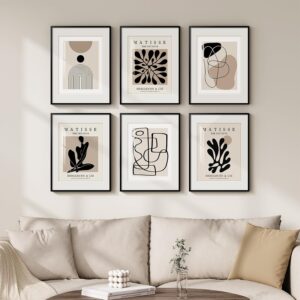
Framed Neutral Abstract Wall Art fo…
Product description [Framed Wall Art]: A set of 6 neutral black white beige modern minimalist matisse…