
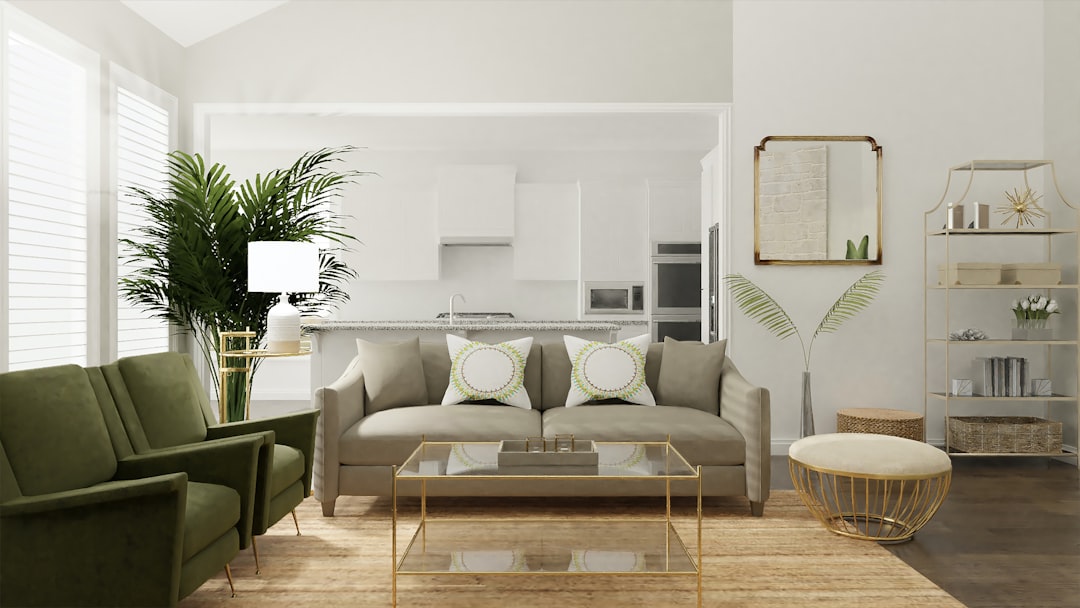
How to Make Your Home Feel More Stylish Without Overspending
Creating a stylish home doesn’t require a renovation or a big budget. With intentional edits, a few well-chosen pieces, and attention to proportion and texture, you can lift the look of any room quickly and affordably.
This guide covers practical swaps and affordable styling techniques—what to buy, what to DIY, and how to arrange items so your space reads cohesive and elevated without overspending.
1. Edit First: Declutter and Curate
Before buying anything, clear surfaces and edit what you already own. A pared-back arrangement of a few meaningful or attractive items looks more intentional than crowded clutter. Keep only what you use or truly love in sight, and store the rest.
If you struggle with visible clutter, invest in containers and organizers for everyday items—this small step immediately raises perceived value and calm. A simple rotation system—display a few pieces, store the rest—also keeps your rooms feeling fresh without constant purchases.
2. Upgrade Textiles for Big Impact
Textiles change the mood of a room fast: swap pillow covers, layer a rug, or update curtains. Start with throw pillows and pillow covers to refresh sofas and chairs without replacing furniture. Look for covers in a mix of textures and a restrained palette to create cohesion.
For affordable, high-impact swaps, try Decorative Throw Pillow Covers—they let you change color, texture, and pattern seasonally at low cost.
3. Anchor Rooms with Rugs
A properly sized rug anchors furniture and defines seating zones. You don’t need designer prices—choose durable, neutral rugs that suit traffic and room size. Measure to ensure at least the front legs of sofas and chairs sit on the rug; this makes the seating group feel intentional and polished.
Browse options for bedroom and living spaces under Bedroom Area Rugs to find affordable textures and sizes that suit your layout.
4. Use Mirrors to Add Light and Space
Mirrors are one of the most cost-effective ways to make a room feel larger and brighter. Place a mirror across from a window to reflect daylight, or lean a tall mirror in a bedroom or hallway to create the illusion of depth.
Even a modest investment in a statement mirror elevates a plain wall. Consider size and frame style: slim black frames read modern, while ornate frames add warmth and character. For versatile options, check Decorative Mirrors.
5. Layer Wall Art Strategically
Wall art gives rooms personality without crowding them. Compose simple groupings—three or five prints in matching frames—or use one larger piece as a focal point above a sofa or bed. Keep frames consistent in material or color for a curated gallery look.
Affordable, ready-to-hang prints and coordinated sets can dramatically change a room’s vibe. Look for minimalist or neutral collections if you want longevity. A practical source is Wall Art and Framed Prints, many of which are sized and grouped for easy styling.
6. Add Greenery and Organic Texture
Plants bring life and softness to interiors, but real plants require care. High-quality faux plants and stems can offer year-round greenery with zero maintenance—perfect for renters or low-light rooms. Place them in pleasing containers and vary heights for a natural look.
If you prefer living plants, place them in stylish planters or cluster different sizes for a curated corner. For maintenance-free options, browse Artificial Flowers and Plants, and pair them with simple vessels from the Decorative Vases collection to complete the arrangement.
7. Elevate Surfaces with Small-Scale Styling
Coffee tables, entry consoles, and kitchen islands are perfect places to show you care about details. Keep styling to three layers: a functional item (books or a tray), a sculptural object (a vase or ceramic), and a soft element (a small plant or candle).
Replace mismatched decor with coordinated accents from the Tabletop Decor section, and use a pair or set of candle holders to create symmetry and warmth—see Decorative Candle Holders for budget-friendly options.
8. Smart Organization as Style
Good organization reads as style because it makes spaces feel intentional and usable. Clear countertops of small items, use trays to contain daily essentials, and choose pretty, functional storage where items must stay visible.
Stylish organizers—like trays, small boxes, or bowls—turn necessary clutter into curated displays. Keep a small set of items on top of dressers or consoles rather than letting everything scatter: the result is a tidy, stylish surface.
Quick Checklist: Stylish Swaps Under $100
- Switch pillow covers and add one textured throw
- Add or reposition a mirror to reflect light
- Declutter surfaces; style with 3-layer arrangements
- Replace small accents with coordinated tabletop pieces
- Add a rug to define a seating area
- Introduce faux or real greenery in a decorative vase
- Use candle holders or lamps to adjust mood and warmth
FAQ
Q: How do I choose a cohesive color palette on a budget?
A: Start with a neutral base (beige, gray, or warm white), then pick one or two accent colors. Introduce those accents through pillows, a rug, and small decor pieces for cohesion without replacing big items.
Q: Can I mix old and new pieces without looking mismatched?
A: Yes—balance is key. Anchor the mix with common elements like color, texture, or metal finishes. For example, pair a vintage wooden table with contemporary textiles and a modern mirror to create a curated feel.
Q: What’s the fastest way to make a room look more expensive?
A: Edit clutter, ensure symmetry in your arrangements, add a well-sized rug, and improve lighting. Small upgrades—like matching pillow covers and a coordinated tray—go a long way.
Q: Are faux plants a good investment?
A: High-quality faux plants can be a smart, low-maintenance investment for low-light or high-traffic areas. Place them in attractive planters or vases to read as intentional decor.
Q: How many pieces should be on a coffee table?
A: Aim for three to five items arranged in odd-numbered groupings and varied heights—books, a decorative object, a small plant, and a candle create balance without clutter.
Conclusion: One Practical Takeaway
Start by editing what you already own, then make three focused, affordable changes—new pillow covers, a mirror or rug, and a small grouping of coordinated tabletop pieces. These moves combine to create a cohesive, stylish home without a big spend.