
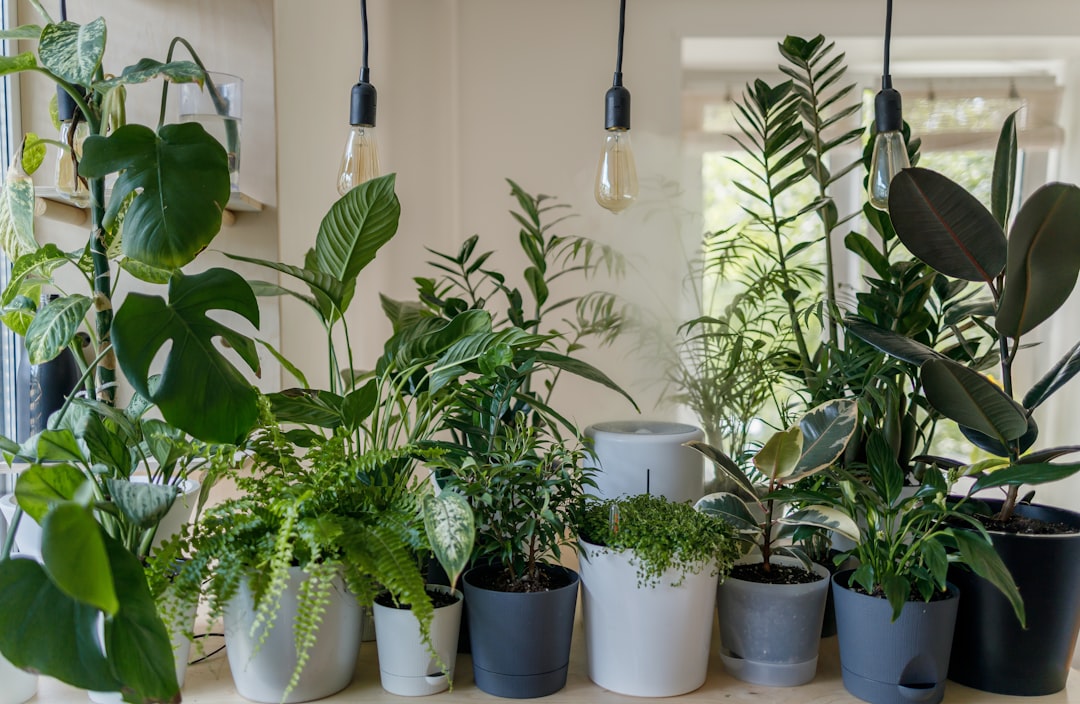
Indoor plants are one of the simplest, most cost-effective ways to refresh a room. They add color, texture and life while softening hard lines, improving air quality, and creating inviting focal points. With a few smart choices and simple styling tricks, you can make plants feel intentional rather than an afterthought.
This guide gives practical, room-by-room advice and styling tips you can apply today—even if you’re short on space, light, or time for plant care. Read on for placement strategies, container ideas, maintenance basics and a quick checklist to get started.
Why decorate with indoor plants
Plants bring multiple visual benefits: scale, contrast and seasonal variety. A tall plant anchors a corner; a low trailing plant softens a shelf; a group of small pots adds rhythm across a mantel or windowsill. Beyond aesthetics, plants help create a calmer, more welcoming atmosphere—useful in rooms where you cook, entertain, rest or work.
Choose the right plants for each room
Select plants based on light levels, humidity and how you use the space. Sunny kitchens love herbs and succulents; low-light corners suit snake plants and zz plants; humid bathrooms are ideal for ferns and pothos. In bedrooms prioritize easy-care species that won’t drop lots of debris on bedding or floors—you’ll keep a cleaner, more restful space.
For bedroom styling consider pairing plants with textiles and bedding that enhance a cozy vibe—think soft layers and neutral palettes. If you want new linens or complete bedding options to match a plant-forward look, check choices like Comforter Sets to coordinate color and texture with your plant displays.
Living room: create focal point groupings
The living room is where plants can make the biggest visual impact. Create a focal grouping by combining one taller specimen with two or three smaller pots at varying heights. Use a mix of textures—broad glossy leaves, feathery fronds and trailing vines—to keep the arrangement dynamic.
Place groupings near seating or on a console. Pair a small cluster with decor pieces that complement plant shapes—books, ceramic objects or a low tray. A quick way to refresh a coffee table or shelf is to add a plant alongside curated decor; browse suitable accents under Coffee Table Decor to complement your greenery.
Kitchen: herbs and functional displays
Kitchens are both practical and decorative spaces for plants. A windowsill herb garden gives you fresh flavors and a tidy green accent. If countertop room is limited, mount small planters on a rail or use stackable pots to keep plants off prep surfaces.
When styling plants in the kitchen, think about organization and hygiene. Keep clippings, seed packets and small tools accessible in drawer or bin systems so plant care doesn’t clutter surfaces. For compact storage and to keep produce or extra supplies tidy near your herbs, consider items like Refrigerator Organizer Bins—they’re useful for organizing seed trays, small packets, or harvested herbs ready for refrigeration.
Bathroom & bedroom: humidity-friendly styling
Bathrooms often provide bright, humid environments that many plants love. Choose ferns, peace lilies or pothos and place them on counters or hanging hooks so they can enjoy occasional showers without crowding the sink. Use a compact tray to collect water and protect surfaces.
In bedrooms, smaller bedside plants or a tall plant in the corner enhance relaxation. Keep bedside areas tidy by grouping small planters with essentials on an organizer—if you’re styling counters and surfaces in the bathroom or bedroom, products like Bathroom Countertop Organizers help keep plant pots and daily items neat and easy to maintain.
Containers & decor: pots, baskets and vases
Choosing the right container is as important as picking the plant. Match pot size to root space—too-small pots stress plants, too-large pots waste space. Combine ceramic pots, woven baskets and glass vessels to layer styles. Hard, neutral-toned ceramics provide contrast to green leaves; woven baskets add warmth and work well for statement floor plants.
Decorative storage pieces make excellent outer pots and can hide plastic nursery pots while adding style. For flexible, textured options, use Decorative Storage Baskets. For an elegant table display, vintage-style ceramic vases work well—consider pieces like ooit Ceramic Vintage Vases for shelf or mantel styling.
Placement, light & ongoing care
Assess light first: spend two or three days noting where direct sun falls and where shade dominates. Use that map to place plants—south or west windows for sun-lovers; east-facing windows for moderate light; north-facing areas for low-light plants. If natural light is insufficient, add targeted lamps or move plants closer to a grow-friendly lamp. A floor or standing lamp can help brighten darker corners; pair plants with a smart lighting solution like Floor Lamps when needed.
Maintenance basics: water according to each species (feel the soil), dust leaves monthly, prune spent growth, repot every 12–24 months, and check for pests. Use gloves for messy tasks—potting, repotting and cleaning leaves—and keep a durable pair handy; good options include Reusable Cleaning Gloves for plant care and light cleanup.
- Pick plants matched to light and humidity.
- Group pots at different heights for visual interest.
- Use decorative baskets and vases as outer pots.
- Keep tools and small supplies organized near plants.
- Water, dust and prune on a simple schedule.
Small checklist to start this weekend:
- Survey light in each room (30 minutes total).
- Buy 2–3 easy-care plants suited to those light levels.
- Choose pots with drainage; add saucers or baskets.
- Create one focal grouping in living area and one kitchen/herb spot.
- Schedule a monthly care session: water, dust leaves, prune.
With those steps you’ll turn scattered plants into a cohesive, low-maintenance design feature that complements your home’s style and function.
Conclusion
Decorating with plants is a practical, high-impact way to uplift any room. Start small: match plants to conditions, use a few well-chosen containers and adopt a simple care routine. Within weeks you’ll notice improved visual balance and a cozier, more inviting home.
FAQ
Q: What are the easiest indoor plants for beginners?
A: Snake plant, pothos, zz plant and spider plant—they tolerate low light and occasional missed waterings.
Q: How often should I water indoor plants?
A: Frequency depends on species and pot size; check soil with your finger—water when the top inch feels dry for most houseplants.
Q: Can I mix decorative pots with nursery pots?
A: Yes. Use nursery pots inside decorative containers with drainage saucers, or place pots in baskets to combine function and style.
Q: How do I prevent pests on indoor plants?
A: Inspect new plants before bringing them inside, isolate new arrivals for a week, wipe leaves, and treat infestations early with soap-and-water sprays or appropriate remedies.
Q: Where should I keep plant care tools and supplies?
A: Keep small tools, fertilizers and pruning shears in a nearby drawer or bin. Using countertop or drawer organizers keeps supplies close without cluttering surfaces—consider organizers that match your routine and space.
Products Featured in This Article
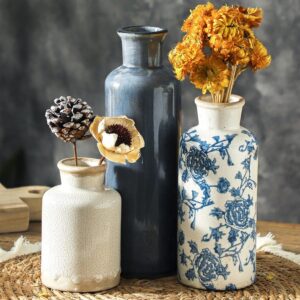
ooit Ceramic Vintage Vases Set of 3…
Product description The video showcases the product in use.The video guides you through product setup.The video…