
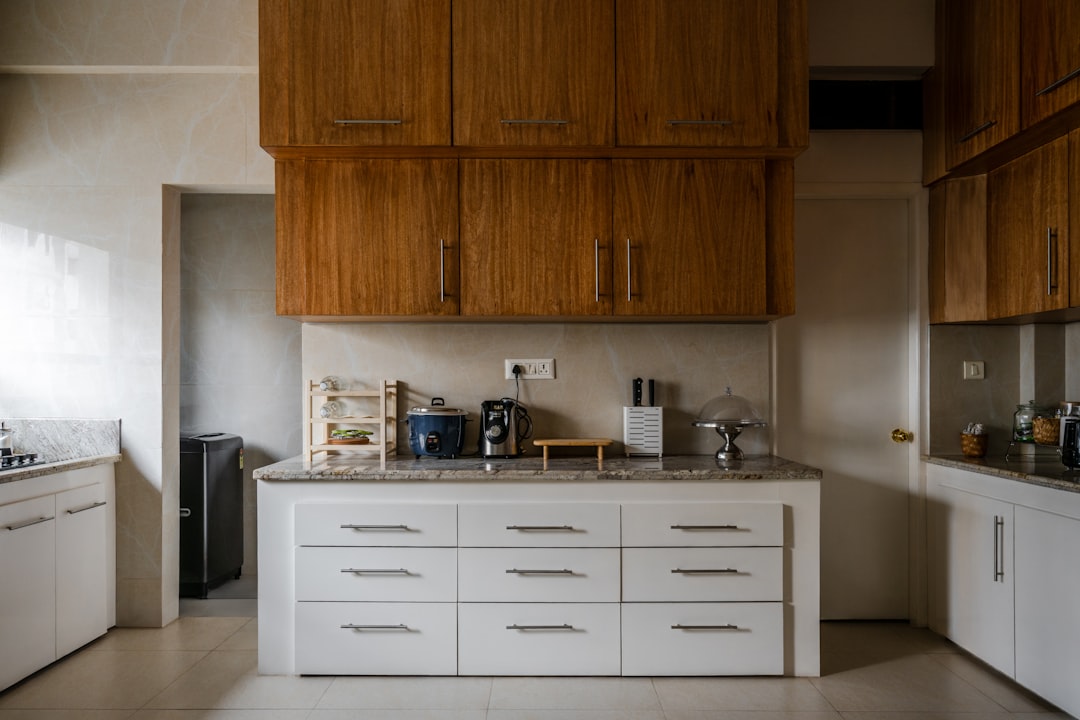
How to Organize Kitchen Cabinets More Efficiently
Efficient kitchen cabinets make cooking faster, reduce waste, and keep daily life calm. A well-organized cabinet system is about smart zones, sensible containers, and habits that keep order over time.
This guide gives practical, step-by-step strategies you can apply in any kitchen layout—small apartments and large homes alike—so your cabinets work for you instead of against you.
1. Start with zones: plan where things belong
Before you move a single item, map the kitchen into functional zones: prep, cooking, baking, dishes, and food storage. Put daily-use items closest to the work you do. For example, keep snacks and condiments near the refrigerator and prep tools near the counter where you chop and assemble.
To keep fridge items easy to find and prevent spillover into cabinets, consider dedicated solutions such as Refrigerator Organizer Bins—they help you decide which items stay in the fridge, which live in the pantry, and which deserve a cabinet spot.
2. Declutter and choose what to store in cabinets
Empty each cabinet and sort contents into four piles: keep, relocate, donate/sell, and discard. Be realistic—if you haven’t used a gadget in a year, it won’t magically become essential.
For small items or seasonal cookware you want to keep but not access daily, clear containers help you see contents at a glance. A set like Clear Plastic Storage Bins works well for shelf stacking and avoids the “What’s in that box?” guessing game.
3. Tame pots and pans with vertical storage
Piles of stacked pots and lids are heavy and hard to manage. Switch to vertical storage where possible: racks, peg systems, or divider solutions that let you pull a single pan without unstacking everything.
If under-shelf or cabinet-mounted racks fit your layout, a dedicated product like the MUDEELA Pots and Pans Organizer Rack keeps lids and pans upright, saves shelf height, and prevents scratched cookware.
4. Use baskets and risers to multiply shelf capacity
Open shelves and cabinet interiors often have wasted vertical space. Add inexpensive risers to stack plates or mugs and use uniform baskets to corral small packets, chips, or baking supplies so shelves look tidy and items are easy to pull forward.
Decorative but functional options—like Decorative Storage Baskets—work in cabinets and open shelving, giving you a cohesive look while keeping categories distinct.
5. Make drawers useful: separators, trays, and nesting
Drawers are the easiest places to create order because everything sits visible. Use adjustable dividers and inserts to create sections for utensils, gadgets, and food wraps. Measure drawer interiors before buying organizers to ensure a snug fit.
For wood or wider drawers that need flexible partitioning, a category of solutions like Kitchen Drawer Organizers offers trays and caddies designed to keep forks, spatulas, and tools from becoming a jumble.
6. Store dishes and glassware by frequency of use
Group plates, bowls, and glasses by how often you use them. Daily dishes belong on the most accessible shelf; special sets or seasonal serving pieces can be higher up or in a less active cabinet.
If you’re rethinking what you keep for everyday meal prep, a compact set like the Gibson Home Oslo Dinnerware Set for 4, 16-piece demonstrates how a streamlined, stackable dinnerware collection saves cabinet space and simplifies storage decisions.
7. Make the everyday routine easy: drying and landing zones
Create a small “landing zone” for daily use: a spot for the dish rack, drying items, and a catch-all tray for keys or mail just outside the cooking area. Keep only what you use daily in this zone to avoid clutter creep.
A sturdy, multi-function option like the Urackify Stainless Steel Dish Drying Rack provides a compact drying footprint and a place to stage clean items before they return to cabinets.
8. Maintain order: routines, labels, and cleaning supplies
Organization fails when systems aren’t maintained. Schedule a 10–15 minute weekly reset: wipe shelves, return stray items, and rotate perishable pantry goods forward. Use labels (even hand-written) so others in the household know where things belong.
Keep cleaning supplies accessible so quick touch-ups happen. Durable options like Reusable Cleaning Gloves make it easy to handle spills without hunting for protective gear.
Quick checklist: cabinet organization essentials
- Map your kitchen zones before you move items.
- Declutter: keep what you use, relocate or donate the rest.
- Use clear bins and risers to maximize visibility and vertical space.
- Store daily items front and center; infrequent items higher or tucked away.
- Use vertical pot/pan storage to avoid heavy stacks.
- Label shelves and containers for easy maintenance.
- Set a 10–15 minute weekly reset routine.
FAQ
Q: How do I decide which organizers to buy first?
A: Start with problem areas you encounter daily—drawer chaos, pot piles, or a disorganized pantry. Buy one well-fitting solution (drawer tray, pot rack, or clear bin) and test it before investing in a complete set.
Q: Can I organize cabinets without spending much money?
A: Yes—use existing containers, repurpose shoeboxes or jars, and measure before you buy. Small investments in a few quality organizers go further than many cheap, mismatched pieces.
Q: How should I store seldom-used seasonal cookware?
A: Store it out of the way in higher cabinets or a labeled bin. If it’s bulky, consider a ceiling pot rack or a designated closet. Keep only essentials in kitchen cabinets.
Q: What’s the best way to store lids?
A: Separate lids from pans and store them vertically in a rack or divider so you can pull a single lid without disturbing the stack.
Q: How often should I reorganize my cabinets?
A: Do a light weekly reset and a deeper seasonal review every 3–6 months to remove items you no longer use and adjust storage as needs change.
Conclusion: one small change at a time
Organizing cabinets doesn’t require a full renovation—start with one shelf or drawer and add practical organizers as you go. The combination of zoning, visibility, and a short weekly routine will transform how your kitchen functions and keep cabinets efficient long-term.
Products Featured in This Article
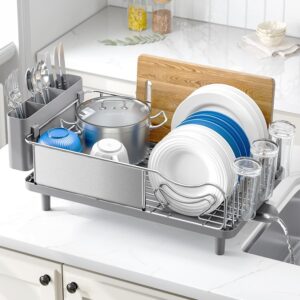
Urackify Stainless Steel Dish Dryin…
From the brand Urackify Dish Drying Rack Urackify is committed to creating dish racks that truly…

MUDEELA Pots and Pans Organizer Rac…
Product description Just declutter your kitchen organization and storage effortlessly with the MUDEELA pots and pans…
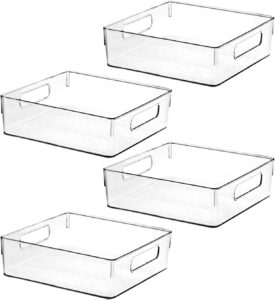
Clear Plastic Storage Bins, Pantry …
Product description Product Dimensions 10.8″L x 7.9″W x 3.4″H Clear storage bins *Shatter proof *Easy to…
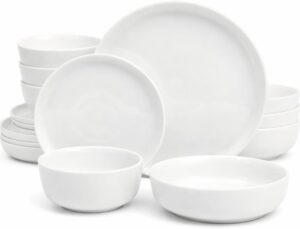
Gibson Home Oslo Dinnerware Set for…
The Gibson Home Oslo 16-Piece Dinnerware set is the perfect balance between modern elegance and practicality….