
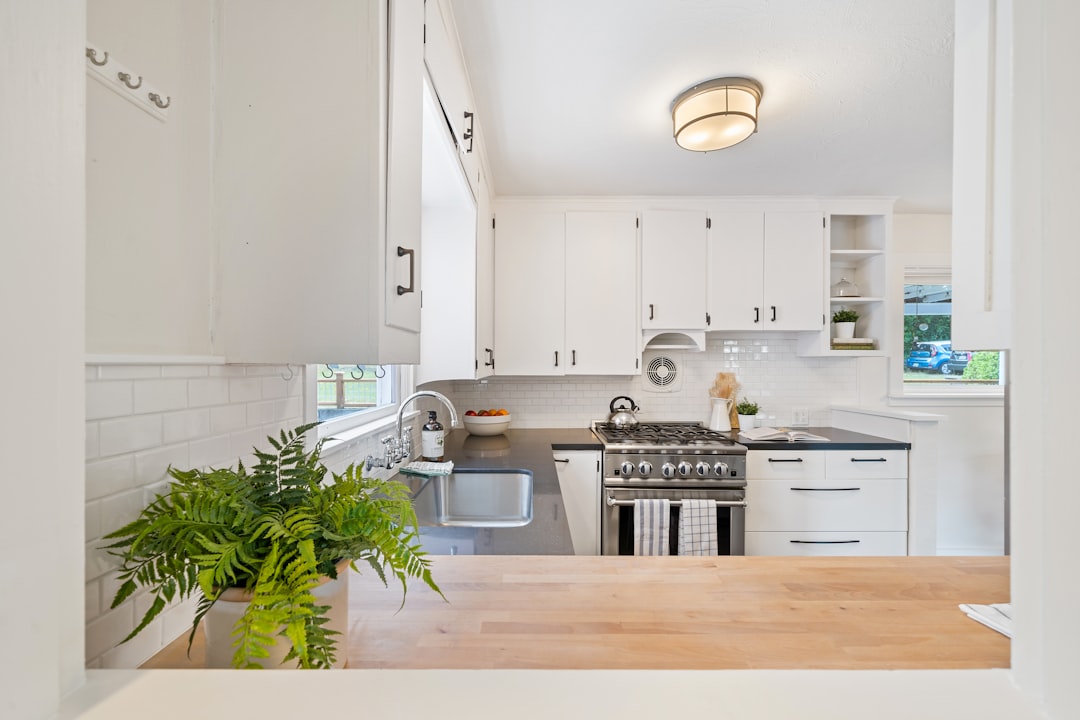
Easy Ways to Make a Small Kitchen More Functional
Small kitchens can feel limiting, but with practical planning and a few targeted changes you can vastly improve workflow, storage, and comfort. The goal is to reduce clutter, create efficient zones for cooking and cleanup, and make every inch work harder.
This guide gives clear, trustworthy tips you can implement in a weekend or gradually over time. You don’t need a remodel to get a big return on everyday usability.
Start by measuring and editing
Before buying organizers or rearranging, measure cabinet widths, counter depth, and appliance clearances. Remove rarely used items and donate duplicates. Editing first frees up space and helps you choose organizers that actually fit. Keep a running inventory of what you use weekly—this makes future decisions practical, not aspirational.
Maximize vertical space and sightlines
Think vertically: add hooks under cabinets for mugs, use pegboard on an empty wall for pans and utensils, and install a slim shelf above the backsplash for spices or oils. Keeping the countertop visually clear boosts perceived space and makes cleanup faster. Use see-through or uniform containers so items on open shelves read as one tidy layer rather than visual clutter.
Smart storage for cookware
Pots and lids are bulky and can swallow cabinetry. Specialized racks that separate lids and stack pans make retrieval safe and quick. Consider shallow pull-out trays for lower cabinets so you’re not bending and rummaging. A purpose-built organizer eliminates the “stack and hope” method and reduces scratches and denting. For ready options, try a dedicated Pot and Pan Organizers to keep your cookware accessible and orderly.
Organize drawers and utensils for efficiency
Designate drawers for specific tasks: prep tools, everyday utensils, and gadgets. Adjustable dividers create custom slots that prevent jumbled forks and peelers. Deep drawers deserve tray inserts to keep smaller tools from migrating to the back. For a fast improvement, install Kitchen Drawer Organizers—they maximize every inch of drawer space and make it obvious where things belong.
Simplify dinnerware and cutlery
In a small kitchen, fewer, stackable pieces reduce cabinet crowding and speed dishwashing. Choose nesting plates and bowls and keep a single, reliable set for daily use. Slim, matched sets take up less visual and physical space than mismatched collections accumulated over time. If you want a streamlined option, consider replacing excess pieces with compact Flatware Sets that store neatly and create a consistent, space-saving system.
Make the fridge work harder
By reorganizing shelves into zones you reduce waste and speed meal prep. Use clear bins for produce, dairy, and condiments so items are easy to see and grab. Label shelves for the family and reserve the prime eye-level space for ready-to-eat foods. For fridge-specific solutions, fitted Refrigerator Organizer Bins keep small items from disappearing into the back and let you stack more effectively.
Efficient dishwashing and drying
In a small kitchen every wet dish can block counter space. If you wash by hand, a compact dish rack with a drainboard that fits next to the sink cuts drying time and keeps water off counters. Consider a design with a utensil cup and detachable parts for easy cleaning. A well-chosen rack streamlines the wash-dry-putaway cycle—explore proven choices in Dish Drying Racks.
Use trays to create zones and corrals
Trays are deceptively powerful: they create portable work zones, group items for display or cleaning, and keep countertops tidy. Use a tray near the coffee setup to hold mugs, spoons, and sugar; another by the stove can hold oils and frequently used spices. Trays also make it easier to clear surfaces when you need space. Lightweight Serving Trays and Platters are perfect for corraling items and adding a clean, cohesive look.
Open shelving and baskets for tidy display
If you have open shelving, convert loose piles into intentional groupings with baskets and uniform containers. Use baskets to store snacks, tea towels, or less fragile items. Baskets hide mismatched packaging and make grab-and-go simple. Choose a few matching Decorative Storage Baskets that fit shelf heights to keep open shelving functional and attractive.
Keep cleaning simple and regular
Small kitchens show dirt quickly, so a simple cleaning routine prevents buildup. Use quick daily wipes of counters, a weekly drawer sweep, and monthly purge of pantry items. Equip your routine with protective cleaning gloves to handle greasy jobs and longer scrubbing sessions without damaging skin. A pair of durable Reusable Cleaning Gloves makes cleaning faster and reduces waste from disposable gloves.
Checklist: Quick actions to boost function
- Measure cabinet depths and counter gaps before buying organizers.
- Declutter: remove duplicates and donate rarely used appliances.
- Install a pot and lid organizer to avoid heavy stacks.
- Use drawer dividers for utensils and a dedicated prep drawer.
- Buy clear fridge bins and label zones.
- Choose a compact dish rack with a drainboard.
- Corral countertops with a serving tray or two.
- Group loose items into decorative storage baskets on open shelves.
- Keep reusable gloves handy and maintain a short cleaning routine.
FAQ
- Q: What’s the best order to organize a small kitchen?
A: Edit down first, measure, then tackle big categories: cookware, utensils/drawers, fridge, and countertops. Buy organizers only after measurements. - Q: How do I store lids efficiently?
A: Use vertical dividers or a lid organizer so lids stand upright; this prevents stacking and makes the right lid visible quickly. - Q: Can I keep open shelving without it looking messy?
A: Yes—limit items, use uniform containers and decorative baskets, and reserve open shelves for infrequently changed items or attractive pieces. - Q: How do I free counter space when I cook?
A: Create a dedicated prep zone, use a cutting board that fits over the sink, and move nonessential appliances to cabinets or a cart when not in use. - Q: Are all dish racks the same size? How do I choose one for a small sink area?
A: No—dish racks vary. Measure the available counter next to your sink and choose a compact model with an integrated drainboard to preserve counter integrity.
Conclusion
Small kitchens can be highly functional with intentional editing, vertical thinking, and targeted organizers. Start with measurements and decluttering, then add solutions—cookware racks, drawer dividers, fridge bins, trays, and baskets—to create zones that make everyday tasks faster. Take one area at a time and you’ll see measurable improvements in workflow and calm.