
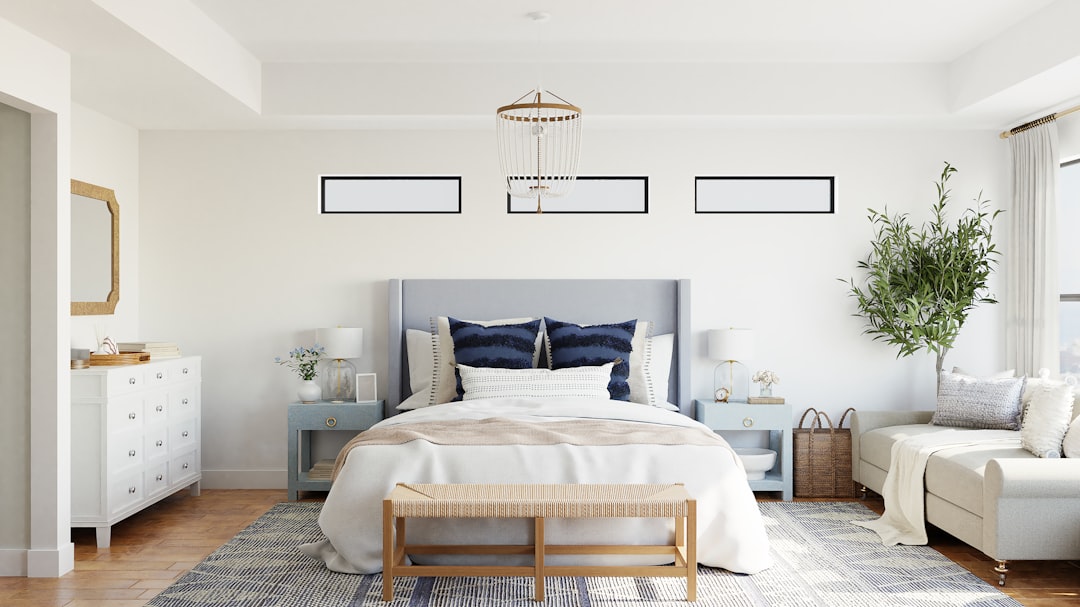
How to Choose the Right Rugs for Different Rooms
Rugs do more than add color — they define zones, protect floors, improve acoustics and make rooms feel finished. Choosing the right rug means matching size, material and style to each room’s function and traffic.
This guide walks through practical choices for living rooms, dining areas, bedrooms, kitchens, entryways and bathrooms. Use these clear rules to pick rugs that look great and hold up to real life.
Measure first: size rules that actually work
Before you buy, measure. A rug that’s too small shrinks a space visually; a rug that’s too big can overwhelm furniture placement. For common guidance — for example, a living room often works well with an 8×10 rug under a seating group — consider product sizing like 8×10 Area Rugs for Living Room as a reference point when mapping furniture to rug dimensions.
Choose material and pile by traffic and purpose
Match material to function. Wool is durable, naturally stain-resistant and warm underfoot — a great all-rounder for living rooms and bedrooms. Synthetic fibers like polypropylene or polyester are ideal for high-traffic, kid- and pet-prone spaces because they’re affordable, washable and fade-resistant. Low-pile or flatweave rugs work under dining tables and in entryways; high-pile rugs suit low-traffic cozy zones.
Also consider maintenance: looped piles resist crushing but show loops if snagged; cut piles are softer but show footprints. When you choose a rug for a specific room, think about how often it will need cleaning and whether you can vacuum, spot-clean or machine-wash it.
Living room: anchor the seating area
In living rooms aim for a rug large enough that at least the front legs of sofas and chairs sit on it. That unifies the seating and prevents floating furniture. Neutral base patterns extend the lifetime of a rug design; bolder patterns can hide stains and mask pet hair.
If you’re shopping specifically for living-room rugs, compare sizes, pile heights and patterns in curated selections like Decorative Area Rugs to find pieces that suit both your layout and your lifestyle.
Dining room: durable, easy-to-clean choices
Under a dining table choose a rug that leaves 24–30 inches of floor around the table so chairs remain on the rug when pulled out. Flatweave and low-pile rugs perform best here because they tolerate chair movement and are easier to clean after spills.
Coordinate rug color and texture with tabletop items — placemats, table linens and dinnerware — so the dining space reads cohesive. If you use place settings and decor frequently, check complementary dining accessories like Placemats for styling that fits the rug’s scale and pattern.
Bedroom: softness and proportion
Bedrooms benefit from warmth and tactile comfort. Popular approaches: a large rug that sits under the bed and extends on all sides, or two runner rugs beside the bed. For master bedrooms, ensure the rug extends at least 18–24 inches beyond the sides of the bed for balance underfoot.
Match the rug’s tones to your bedding and window treatments for a restful palette. If you’re updating bedding at the same time, shop complementary sets like Comforter Sets so textures and colors align.
Kitchen and entryway: function-first selections
Kitchens and entryways need rugs that can handle moisture, dirt and frequent cleaning. Low-pile, stain-resistant synthetics and washable rugs are best. Runners stabilize traffic flows in narrow kitchens; in front of the sink choose a washable cushion mat or a rug with a non-slip backing.
For kitchens, keep storage and organization consistent with the intended function of the space; pairing a washable runner with smart storage like Clear Plastic Storage Bins helps control spills and crumbs and makes cleanup faster.
Entryway and mudroom: durable, welcoming options
Entry rugs must trap dirt, dry quickly and resist wear. Choose durable, low-pile rugs or coarse natural fibers like coir for outdoor-facing entries. Inside, a solid-yet-attractive mat helps hide dirt and reduces slip risk. Complement the entry with functional organizers that keep shoes off the floor and protect the rug — for example Shoe Storage Organizers in your closet or mud area.
Bathroom: safe, moisture-tolerant rugs
Bathrooms require rugs that resist mold and dry quickly. Look for machine-washable cotton or microfiber bath mats with sturdy non-slip backings. Avoid thick wool area rugs unless they are used in a dry, well-ventilated bathroom with low humidity.
For coordinating small-bathroom essentials — soap trays, toothbrush holders and trays — choose matching accessories like Bathroom Countertop Organizers that sit neatly on a clean, water-resistant mat near the sink to protect both surfaces.
Maintenance and longevity: simple daily and seasonal care
Routine care extends a rug’s life: vacuum weekly in medium-traffic rooms, more in high-traffic areas; attend to spills immediately with blotting (not rubbing); rotate rugs every 6–12 months to even out wear.
For cleaning tasks that involve scrubbing or wet cleaning, protect your hands and maintain grip with practical tools like Reusable Cleaning Gloves.
Quick checklist before you buy
- Measure the space and decide whether furniture should sit fully or partially on the rug.
- Pick material and pile based on traffic: wool for longevity, synthetics for easy-care.
- Confirm rug backing or plan to buy a rug pad for floor protection and slip resistance.
- Choose rug size that leaves an appropriate margin around furniture (living room, dining, bed).
- Consider color and pattern for hiding stains and matching existing textiles (bedding, placemats, curtains).
- Check cleaning instructions; prefer machine-washable where possible.
FAQ
- What size rug should I buy for my couch? Aim for a rug that allows the front legs of all major seating pieces to rest on it; ideally it spans most of the seating area without extending to the walls.
- Can I put a rug on hardwood floors? Yes — use a quality rug pad to prevent slipping and protect the finish from abrasion and trapped dirt.
- Are wool rugs good for pets? Wool resists stains but can be damaged by claws; low-pile wool blends offer a balance of durability and ease of cleaning.
- How do I stop a rug from sliding? Use a non-slip rug pad sized to the rug, and keep the floor clean under the pad to maintain grip.
- Can outdoor rugs be used indoors? Yes — they’re often easy to clean and durable; choose one with a softer pile if you want more comfort underfoot.
Choosing the right rug is about matching size, material and care needs to a room’s function. Measure first, pick durable materials where traffic is high, and coordinate textures with your existing decor to create cohesive, practical spaces.
Practical takeaway: measure twice, prioritize material for the room’s use, and buy a proper rug pad — those three steps prevent most rug mistakes and keep floors looking great for years.
Products Featured in This Article
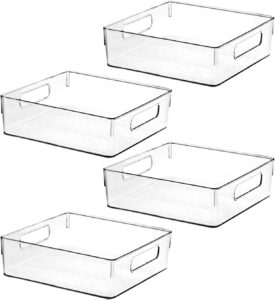
Clear Plastic Storage Bins, Pantry …
Product description Product Dimensions 10.8″L x 7.9″W x 3.4″H Clear storage bins *Shatter proof *Easy to…
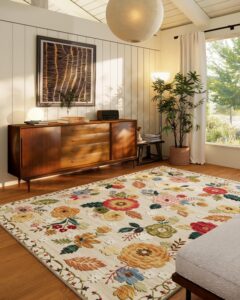
8×10 Area Rugs for Living Room…
From the brand RUNNER RUG AREA RUG AREA RUGS AREA RUGS WASHABLE RUG: This is a…