
Introduction
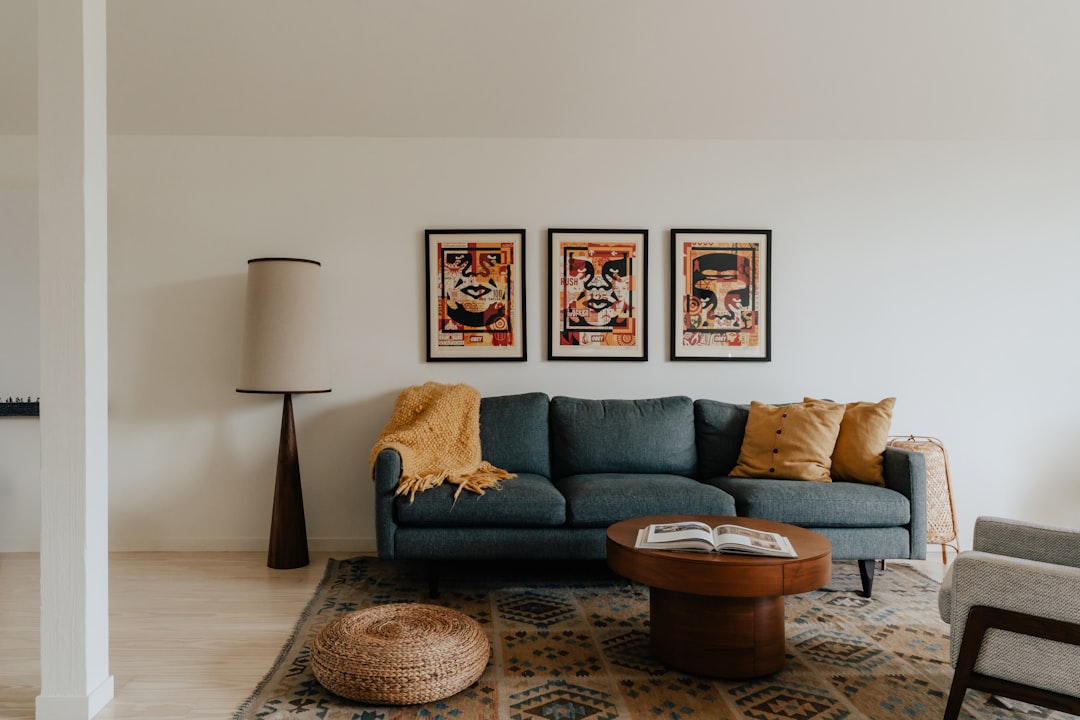
Mixing modern and traditional decor gives a home personality and depth. The goal is a cohesive look that feels intentional, not cluttered—where contemporary lines meet heirloom warmth.
Below are practical, room-by-room strategies and concrete product-minded ideas to help you blend styles with confidence and consistency.
1. Understand the balance: decide what’s dominant
Start by choosing whether modern or traditional will be the primary language of the room. If you prefer a contemporary base, layer in a few traditional focal pieces. If you love vintage character, add modern finishes and lighting to keep the space fresh. Use statement accessories—like ceramic vintage vases—to introduce antique flair without overwhelming a minimalist layout.
2. Build a neutral foundation with layered textures
A neutral palette makes mixing easier: it allows shapes and materials to read clearly together. Choose durable base pieces and then layer texture—rugs, throws, and upholstery fabrics—that bridge the eras. A washable patterned rug is a quick way to anchor both modern and traditional furniture styles while keeping maintenance simple.
Consider investing in versatile floor textiles like these washable decorative area rugs to ground the room and tie together disparate finishes.
3. Mix furniture styles deliberately
Pair silhouettes with purpose: a modern sofa with tapered legs works well with a traditional wingback or a classic wooden side table. Keep scale consistent—two low-profile seating pieces will read better together than one oversized antique and one tiny mid-century chair.
Lighting should support those choices. Mix a sleek modern lamp beside an older armchair, using similar finishes or shared materials to create a visual link. Browse curated options for well-designed floor lamps to add height and modern functionality alongside vintage pieces.
4. Layer textiles and finishes for cohesion
Textiles are one of the easiest ways to fuse styles. Use contemporary patterns on upholstery and classic motifs in curtains or throw pillows. Keep a common thread—color, scale, or texture—so items feel intentionally paired.
Window treatments are especially powerful: choose streamlined hardware and fabric that nods to traditional patterns or weight. If you want a simple path to balance, start with neutral curtain panels that offer clean lines while allowing other elements to bring warmth.
5. Blend old and new accessories intentionally
Small accessories let you play with contrast. Group an antique mirror with modern vases, or place a contemporary sculpture on a classic mantel. Keep groupings odd-numbered and allow a single material—metal, wood, ceramic—to repeat to create rhythm.
Practical accents also bridge the gap. A polished contemporary tray paired with heirloom orbs or smaller vintage pieces makes an elegant composition; for example, a decorative tray and orbs can modernize a traditional coffee table while honoring its scale.
6. Kitchens and dining: mix materials and eras
The kitchen and dining areas are ideal places to blend modern efficiency with traditional charm. Pair sleek contemporary cabinets with open shelving that displays classic ceramics or wooden platters. Use mixed materials for contrast—matte black hardware on shaker-style cabinets, for instance.
For table settings, keep the main service pieces neutral and let a few traditional elements add warmth. Choosing dependable, timeless stoneware—or a curated set like these classic dinnerware sets—means your table will suit both a mid-century sideboard and a modern glass dining table.
7. Use thoughtful lighting and layout to unify styles
Lighting controls mood and emphasizes the story you want to tell. Combine ambient, task, and accent lighting so both modern and traditional pieces are presented at their best. A contemporary pendant over a vintage dining table can be the connective element that makes the whole space feel intentional.
Don’t forget scale and sightlines: place lighting so it draws the eye across the room and highlights contrasts. Check complementary options for table lamps that can be swapped seasonally to shift emphasis between modern and traditional accents.
8. Keep clutter low with smart storage
Mixing styles works best when surfaces are curated. Use storage that complements both looks—woven or neutral baskets and streamlined built-ins keep visual noise down while supporting eclectic displays.
Functional pieces that look good are the most helpful: opt for natural-texture containers and boxes that can sit next to contemporary shelving or classic furniture. A set of well-chosen decorative storage baskets keeps blankets, toys, and extras out of sight while adding organic texture that pairs with both eras.
Quick checklist
- Choose a dominant style (modern or traditional) as the base.
- Create a neutral foundation: walls, large rugs, major upholstery.
- Mix one modern piece with one traditional piece in each vignette.
- Repeat a material or color to tie elements together.
- Layer lighting: ambient, accent, and task for depth.
- Limit visible clutter with attractive storage solutions.
FAQ
Q: How many modern pieces can I mix with traditional ones?
A: There’s no strict ratio. A practical approach is a 60/40 balance—60% dominant style for cohesion, 40% contrasting pieces to add interest.
Q: What if my home feels too busy after mixing styles?
A: Edit down. Remove smaller accessories and keep only a few focal pieces per surface. Use neutral textiles to calm the eye.
Q: Can I mix metals when blending styles?
A: Yes—mixing up to three metal finishes can work if you repeat one finish in multiple areas to create continuity.
Q: How do I introduce traditional pieces into a contemporary space without losing modernity?
A: Start with one anchor antique or vintage piece and surround it with simple, modern items. Keep the color and scale consistent and use contemporary lighting to highlight the piece.
Q: Should artwork be modern or traditional?
A: Use art to balance. A modern abstract can freshen a traditional room, and classic landscapes can warm a minimalist space. Stick to a consistent frame color or style when mixing.
Conclusion and practical takeaway
Mixing modern and traditional decor is about intentional contrasts and repeated threads. Start with a neutral foundation, choose a dominant style, and use textiles, lighting, and a few curated accessories to connect pieces across eras. With a clear plan and strategic storage, you can create rooms that feel both current and comfortably lived-in.
Products Featured in This Article

Gibson Home Oslo Dinnerware Set for…
The Gibson Home Oslo 16-Piece Dinnerware set is the perfect balance between modern elegance and practicality….
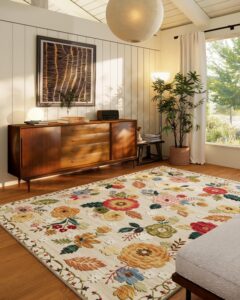
8×10 Area Rugs for Living Room…
From the brand RUNNER RUG AREA RUG AREA RUGS AREA RUGS WASHABLE RUG: This is a…
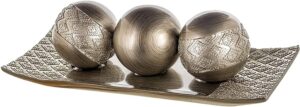
Creative Scents Dublin Silver Decor…
From the brand Dublin Silver Collection Each Of Our Items Made in Unique and Exclusive Style….
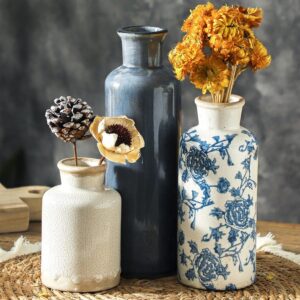
ooit Ceramic Vintage Vases Set of 3…
Product description The video showcases the product in use.The video guides you through product setup.The video…