
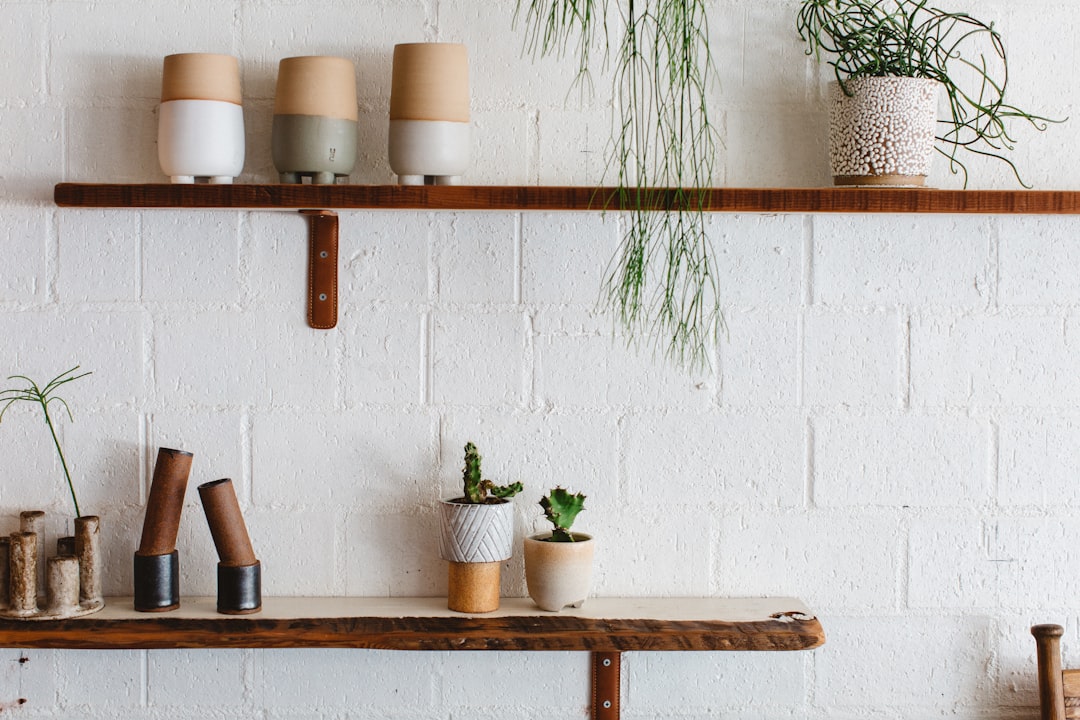
How to Style Shelves Without Making Them Look Cluttered
Shelves can make a room feel curated and purposeful—or chaotic and overcrowded. The difference comes down to editing, scale, and a few simple styling strategies you can apply in any room.
This guide gives practical, step-by-step advice to style open shelving so it looks intentional, balanced, and functional. Use these techniques whether you have a single floating shelf, a bookcase, or built-ins.
Start with a clear purpose
Before you arrange anything, decide what you want each shelf to do: display, store, or both. Shelves meant for display can be lighter and more sculptural; shelves that need to hold everyday items require containers and consistent rhythms. When you mix these purposes, keep the most-used items grouped on lower shelves for easy access.
Edit ruthlessly and rotate
Limit the number of objects per shelf. A common rule is to leave one-third of any shelf empty or visually light. When things feel crowded, remove half and reassess—rotate items seasonally so the arrangement never accumulates excess. If you need to keep extras handy but out of sight, stash them in Decorative Storage Baskets on lower shelves to maintain a tidy look while preserving function.
Group items in odd numbers
Clusters of three or five objects read as intentional and pleasing to the eye. Groupings can be made on a shelf by using an anchor piece (like a vase or small sculpture) and adding two supporting elements that vary in height or texture. For example, a trio of ceramic pieces—including the ooit Ceramic Vintage Vases—creates a cohesive focal group without overcrowding.
Vary heights and textures
Mix tall and short items, glossy and matte finishes, and soft and hard materials to keep the eye moving. Leaning art behind objects adds depth—try placing a small framed print or neutral abstract behind lower items to create layers. A set like the Framed Neutral Abstract Wall Art can be used to anchor a shelf vignette without competing with small decorative objects.
Anchor vignettes with trays and platters
A tray or platter creates a contained “stage” for smaller items and instantly makes a cluster look curated rather than random. Use a wooden platter or low tray as a base for a candle, a small vase, and a stack of books. For multifunctional styling—especially in dining-adjacent shelving—consider using Serving Trays and Platters to corral items and add a consistent horizontal line.
Add functional pieces you actually use
Shelves should be beautiful and useful. Incorporate pieces that earn their place: a small lamp, a well-made pitcher, or a set of glasses. A compact lamp on a shelf provides soft light and a sculptural element—look for slim designs intended for surfaces, like those in the Table Lamps collection. Functional decor reduces clutter by making every item purposeful.
Use baskets and bins for concealed storage
When open shelving must hold less-attractive essentials—chargers, toys, linens—hide them in baskets with uniform color or texture. Natural woven options give a consistent look and reduce visual noise. For small or irregular items on higher shelves, consider compact woven solutions like the StorageWorks Water Hyacinth Small Scalloped Baskets, which keep clutter out of sight while adding warmth.
Bring in textiles and personal touches
Soft items break up hard edges and add scale. Fold a lightweight throw on a lower shelf or drape it casually over a basket to introduce color and softness. Keep textiles tidy—neat folds read as intentional styling. If you want an easy, changeable accent, look to the Throw Blankets selection for colors and textures that complement your shelf palette. Personal items—framed photos, small books, or a travel keepsake—work best when limited to one or two per shelf.
Checklist: Quick styling rules
- Decide each shelf’s purpose (display, storage, or both).
- Limit objects per shelf and leave breathing room.
- Group in odd numbers (3 or 5) and vary heights.
- Use a tray or platter to anchor small items.
- Hide essentials in baskets or bins for a cleaner look.
- Include one functional piece (lamp, pitcher, organizer).
- Rotate seasonally to keep the look fresh.
- Coordinate color and material across shelves and nearby surfaces like the coffee table—pairing with Coffee Table Decor helps the room feel unified.
FAQ
How many items should I put on a single shelf?
Aim for 3–5 items or a single focal piece plus a companion item. Leave negative space.
How do I balance books and decor?
Layer books horizontally and vertically. Use a stack as a riser for a vase or small sculpture to create height variation.
What if my shelves are deep?
Create depth by placing taller items at the back and smaller items in front; lean a piece of art against the wall to break up the depth visually.
How can I make my shelves feel cohesive?
Choose a limited palette (two to three materials or colors) and repeat them across shelves. Use matching baskets or trays for storage.
Can plants go on shelves?
Yes—use small, low-maintenance plants or faux greenery placed where they’ll get appropriate light. A trailing plant can soften a shelf edge, but avoid overcrowding.
Conclusion: A practical takeaway
Styling shelves without clutter is about purposeful editing, consistent materials, and a clear balance of function and display. Start with a plan, use baskets and trays to contain items, and keep groupings simple and varied in height. With a few thoughtful swaps—like adding well-chosen baskets, a tray, or a small lamp—you’ll create shelves that look curated and remain useful.
Products Featured in This Article
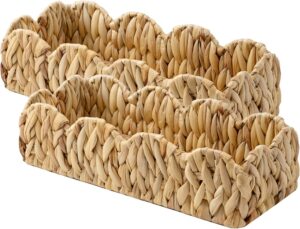
StorageWorks Water Hyacinth Small S…
From the brand Storage Basket Home Wicker Storage Basket Nursery Room Wicker Basket Bathroom Wicker Storage…
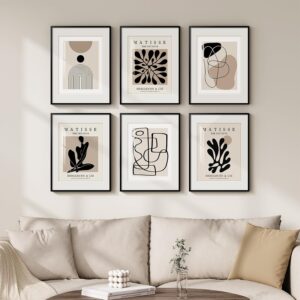
Framed Neutral Abstract Wall Art fo…
Product description [Framed Wall Art]: A set of 6 neutral black white beige modern minimalist matisse…
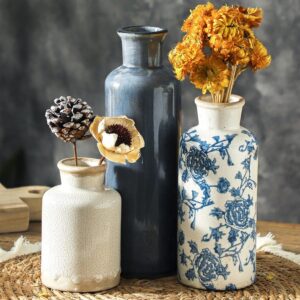
ooit Ceramic Vintage Vases Set of 3…
Product description The video showcases the product in use.The video guides you through product setup.The video…