
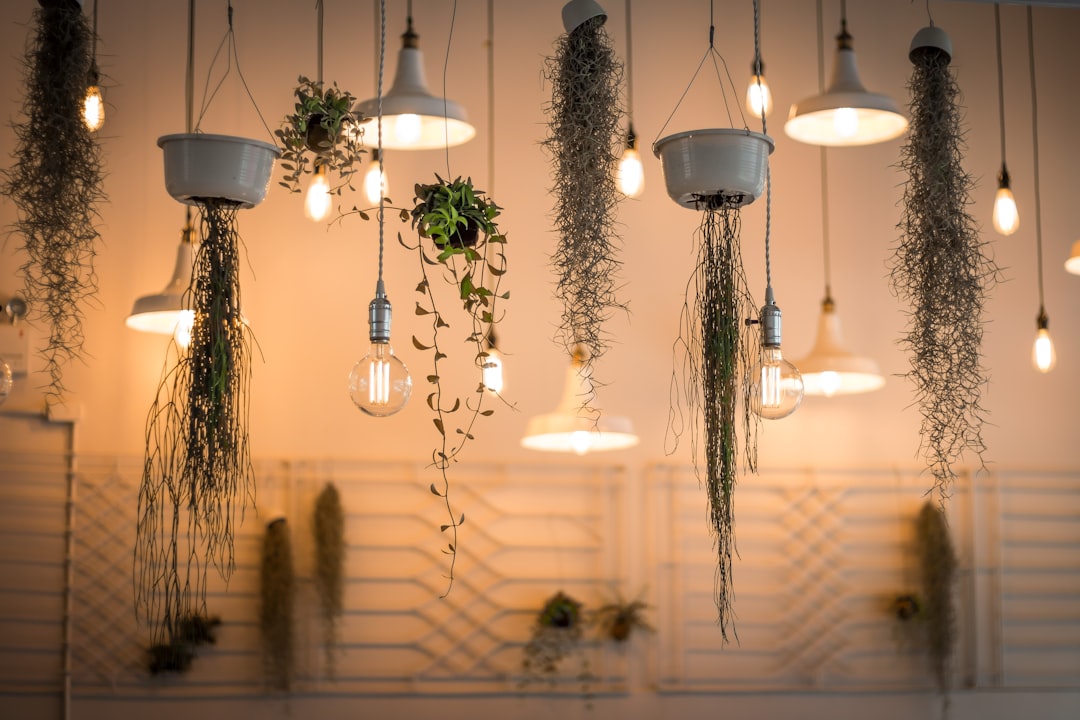
How to Use Lighting to Improve Your Home Decor
Good lighting transforms a room. It affects mood, highlights design, and makes spaces look larger, cozier, or more functional. With a few practical choices—fixture type, bulb, placement—you can upgrade decor without a full remodel.
This guide walks through lighting layers, fixture choices, placement tips, and simple swaps that deliver visible improvement. Read through and use the checklist to apply changes room by room.
Understand the three layers of light
Start by thinking in layers: ambient (general), task (functional), and accent (decorative). Ambient light creates the base—ceiling fixtures or well-placed floor lamps work well here because they add even, soft illumination without drastic hard shadows.
Maximize natural light with smart window treatments
Before adding fixtures, make the most of daylight. Lightweight sheers, adjustable blinds, and well-chosen curtain panels control glare while keeping rooms bright. Position mirrors across from windows to multiply light and choose curtain fabrics that reflect rather than absorb. Even small rooms feel larger when natural light is optimized.
Choose the right fixtures for each function
Match fixtures to tasks. In living areas and reading nooks, table lighting provides focused light and style. A pair of matching lamps frames seating areas and adds symmetry—shop reliable table lamps that suit your scale and finish. For kitchens and bathrooms, prioritize bright, shadow-free task lights.
Place floor lamps to create zones and depth
Floor lamps are versatile: they anchor corners, brighten dark seating areas, and add vertical interest. Choose an adjustable or tall model to fill space without extra wiring. A dimmable standing lamp behind a sofa or next to a reading chair provides both task light and ambient glow—consider the PACOVY model for adjustable height and remote dimming when you need flexible control.
Use table lamps strategically for warmth and layers
Table lamps add surface-level light that softens a room’s profile in the evening and creates cozy pools of illumination. For bedrooms, choose bedside lamps with a warm bulb and easy switches. A modern alabaster or linen-shade pair makes a calming statement—the Scenekoy set comes with built-in night-light functionality for layered options near beds or reading chairs.
Scenekoy Alabaster Table Lamp Set
Accent lighting to highlight art and architectural features
Accent lighting draws attention to what you want noticed: a textured wall, a piece of art, or a bookshelf. Use directional spots, picture lights, or small LED strips to create contrast and depth. A well-lit print or canvas becomes a focal point—paired lighting makes framed pieces pop and elevates wall decor like neutral abstract prints.
Framed Neutral Abstract Wall Art
Balance scale, color temperature, and surfaces
Fixture scale matters: oversized lights overwhelm small rooms; tiny lamps vanish in large rooms. Match lamp height to furniture—table lamps should sit near eye level when seated; floor lamps should throw light above head height for ambient glow. Choose bulbs with consistent color temperature across layers—2700K–3000K for warm living spaces, 3000K–3500K for task areas.
Also consider surfaces: light-colored rugs and reflective decor increase perceived brightness. A durable, low-pile decorative area rug can brighten a seating area and balance light absorption so the room reads warmer and more cohesive. For sculptural or mid-century modern statements, a tripod lamp blends form and function—try a LEPOWER tripod to add warmth and design interest.
Practical placement and wiring tips
Position lights where they serve daily routines: reading chairs need task light at the elbow, kitchen counters require under-cabinet or pendant task lights, and hallways benefit from evenly spaced ambient fixtures. Use plug-in floor and table lamps to avoid rewiring; add cord covers or hide cords behind furniture for a clean look. Consider smart bulbs or plug-in dimmers for flexible control without electrician work.
Small checklist to improve lighting today
- Audit your rooms for bright/dark spots—note where you need task light.
- Switch to a single color temperature across each room (warm for living, neutral for work).
- Add a floor lamp to a dark corner or behind seating for instant depth.
- Install a pair of table lamps to create balanced symmetry on consoles or nightstands.
- Use accent lights for one art piece or architectural detail per room.
- Replace heavy drapes with lighter curtain panels to boost daylight.
FAQ
Q: What bulb type gives the best color for living rooms?
A: Choose LED bulbs labeled 2700K–3000K for warm, cozy light and high CRI (90+) if color accuracy matters.
Q: How many lamps should a living room have?
A: Aim for at least three sources: one ambient (ceiling or floor), one or two task lamps (reading), and one accent light for art or shelving.
Q: Can lighting make a small room feel bigger?
A: Yes—layer bright ambient light, use accent lighting to create depth, and keep ceilings visually higher with upward-facing fixtures or wall washers.
Q: Should lamps match my decor?
A: They should relate—not necessarily match. Coordinate finishes or scales; a feature lamp like a tripod floor lamp can be a purposeful statement that ties a room together.
Q: Are smart bulbs worth it?
A: For flexibility, yes. Smart bulbs let you dim, schedule, and change color temperature without rewiring—useful for multi-use spaces.
Conclusion
Good lighting is design and function in one. Focus on layering, consistent color temperature, and strategic placement to highlight your home’s best features. Start with one change—add a floor lamp or swap bulbs—and you’ll see immediate improvement in ambiance and decor cohesion.
Products Featured in This Article
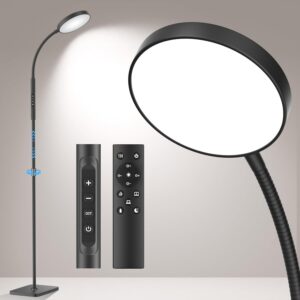
PACOVY Floor Lamp, Adjustable Heigh…
From the brand 120 LED High Brightness: Equipped with 120 high-brightness LED beads, the PACOVY floor…
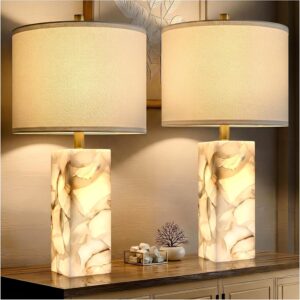
Scenekoy Alabaster Table Lamp Set o…
From the brand Alabaster Table Lamps Alabaster Table Lamps Resin Table Lamps Wood Table Lamps Real…
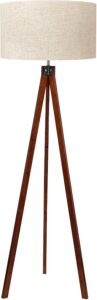
LEPOWER Tripod Floor Lamp Mid Centu…
From the brand LEPOWER is a professional brand company focusing on home lighting and outdoor lighting….
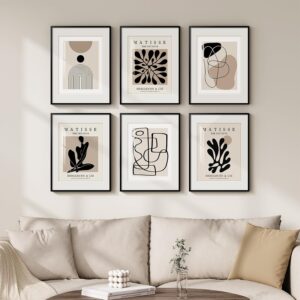
Framed Neutral Abstract Wall Art fo…
Product description [Framed Wall Art]: A set of 6 neutral black white beige modern minimalist matisse…