
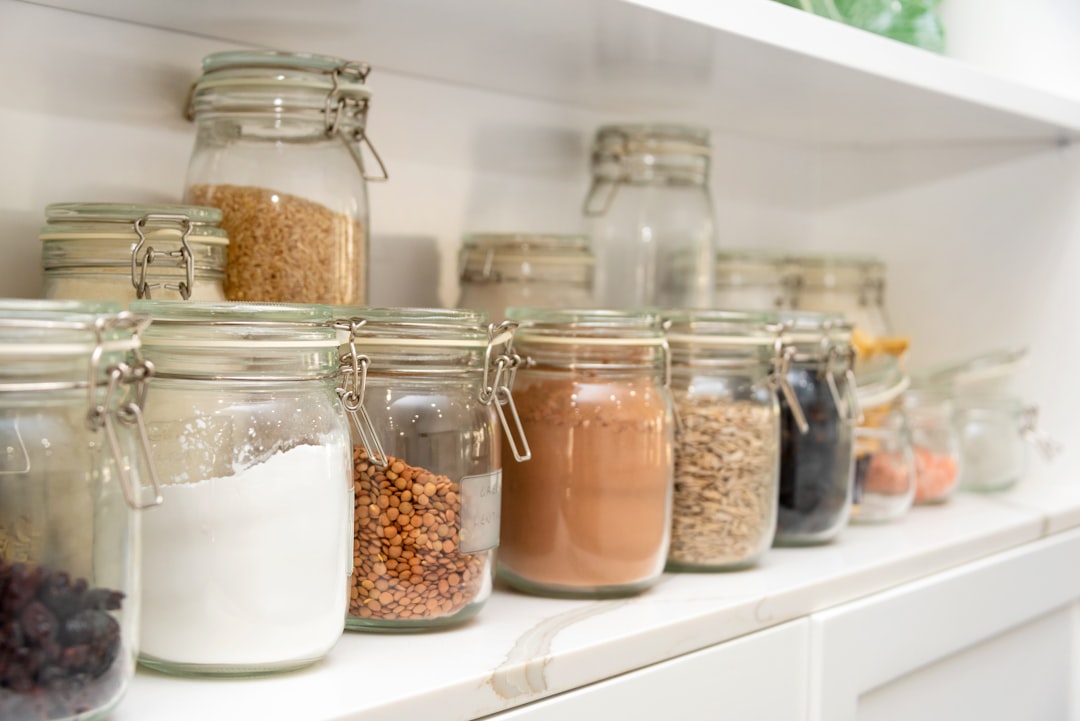
Simple Pantry Organization Tips That Actually Work
Your pantry should make cooking easier, not slow you down. A few focused changes—what you keep, how you group it, and which tools you use—can turn a chaotic shelf into a functional food hub.
Below are practical, tested strategies for organizing any pantry—small or large—so you can find ingredients fast, reduce waste, and keep restocking simple.
1. Start by Purging and Categorizing
Empty shelves, check expiration dates, and be ruthless about items you won’t use. Sort everything into categories: baking, breakfast, snacks, canned goods, and bulk staples. Use shallow baskets to group small packets and single-serve items so they don’t topple over. Decorative baskets are a great visual and functional option to keep packets and odd-shaped items contained while adding a neat look to open shelving: Decorative Storage Baskets.
2. Zone Your Pantry Around Tasks
Organize shelves by how you cook: a breakfast zone with cereal, oats, and spreads; a baking zone near measuring tools; a snack zone at kid height. This reduces time hunting for ingredients and limits cross-traffic. For refrigerated overflow like condiments, meal-prep packets, or snack packs, clear stacking bins designed for fridges keep that zone visible and tidy: Refrigerator Organizer Bins.
3. Use Clear, Stackable Containers and Labels
Swap mismatched bags for clear containers so you can see quantities at a glance. Choose sizes that match common volumes (flour, sugar, rice, pasta) and label lids with contents and purchase/use-by dates. A reliable option for pantry staples and odd items is clear plastic storage bins designed specifically for pantry and cabinet organization—durable and stackable for efficient shelf use: Clear Plastic Storage Bins, Pantry ….
4. Maximize Vertical Space and Doors
Shelves often have unused vertical space. Add risers to stack canned goods or tiered shelf organizers for spice jars so labels face forward. The inside of pantry doors is prime real estate—hang pocket organizers for snacks, wraps, or small baking tools. You can repurpose over-the-door storage designed for shoes to hold packets, wraps, and small boxes without drilling: UVIAHOMI 20-30 Pairs Over the Door ….
5. Keep Pots, Bakeware, and Trays Accessible
Stacked pans and lids become hard to sort when piled. Use vertical dividers or racks to store bakeware, cutting boards, and trays on their edges so you can slide out exactly what you need. A compact under-cabinet or shelf rack can also be used inside a pantry to separate lids and pans neatly: MUDEELA Pots and Pans Organizer Rac….
6. Organize Drawers for Small Tools and Packets
Drawers often turn into catchalls. Install adjustable dividers to create spots for measuring spoons, clip sets, bag clips, and single-serve packets. Tightly fitted bamboo or modular dividers make retrieval faster and keep utensils from shifting when drawers open: Kitchen Drawer Organizers.
7. Keep Cleaning Supplies Separate and Visible
Store cleaning products and gloves away from food on a lower, easily wipeable shelf or in a lidded bin. That prevents spills and makes it quick to grab supplies during weekly resets. Include gloves and quick-reach cloths so cleanup becomes immediate instead of postponed: Reusable Cleaning Gloves.
8. Smart Storage for Serveware and Specialty Items
Platters, serving trays, and seasonal pieces should have a designated spot so they don’t block everyday items. Use vertical plate holders or a shallow shelf for platters; if you use wooden or decorative trays often, grouping them near dinnerware speeds table setup: Serving Trays and Platters. Keep frequently used sets front and center; move bulk or rarely used pieces to higher or less-accessible shelves.
Small Habits That Keep Your Pantry Working
Consistency beats perfection. Spend five minutes after grocery day to re-stack containers, rotate older items forward, and note missing staples. Consider keeping a small, dedicated dish area for washed canisters and a compact drainer nearby so containers dry quickly before returning to shelves: Dish Drying Racks.
Quick Checklist
- Empty shelves and toss expired items.
- Group like with like: breakfast, baking, snacks, canned, bulk.
- Use clear containers and label contents + dates.
- Install door or vertical organizers for small items.
- Designate separate space for cleaning supplies.
- Rotate older items to the front during restock.
FAQ
Q: How often should I reorganize my pantry?
A: Do a quick check weekly (5–10 minutes) and a full purge and reorganization every 3–6 months.
Q: What’s the best way to store bulk flour or sugar?
A: Use airtight, labeled containers in sizes you regularly use. Keep them on eye-level shelves to avoid a heavy scoop fall and to see quantities at a glance.
Q: How can I prevent chips and snacks from getting stale?
A: Transfer to resealable containers or airtight bins, then store in a clearly labeled snack basket to keep everything fresh and accessible.
Q: Are clear containers worth the investment?
A: Yes—clear containers reduce food waste by showing quantities and encourage better rotation. Choose stackable options to maximize shelf space.
Q: What’s a small change that delivers big results?
A: Zone your pantry by task (breakfast, baking, snacks). It immediately cuts search time and reduces duplicate purchases.
Conclusion
Simple changes—decluttering, grouping by use, clear containers, and dedicated organizers—transform a messy pantry into an efficient workspace. Start with one shelf this weekend: purge, group, and add one organizer. You’ll save time, reduce waste, and enjoy cooking more.
Products Featured in This Article
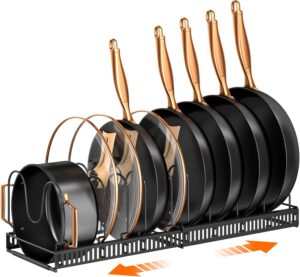
MUDEELA Pots and Pans Organizer Rac…
Product description Just declutter your kitchen organization and storage effortlessly with the MUDEELA pots and pans…
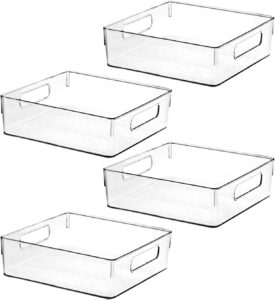
Clear Plastic Storage Bins, Pantry …
Product description Product Dimensions 10.8″L x 7.9″W x 3.4″H Clear storage bins *Shatter proof *Easy to…
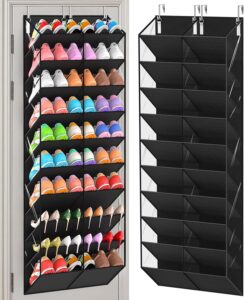
UVIAHOMI 20-30 Pairs Over the Door …
From the brand UVIAHOMI Inheriting Quality and Warm Home Art A journey that inspires inspiration and…