
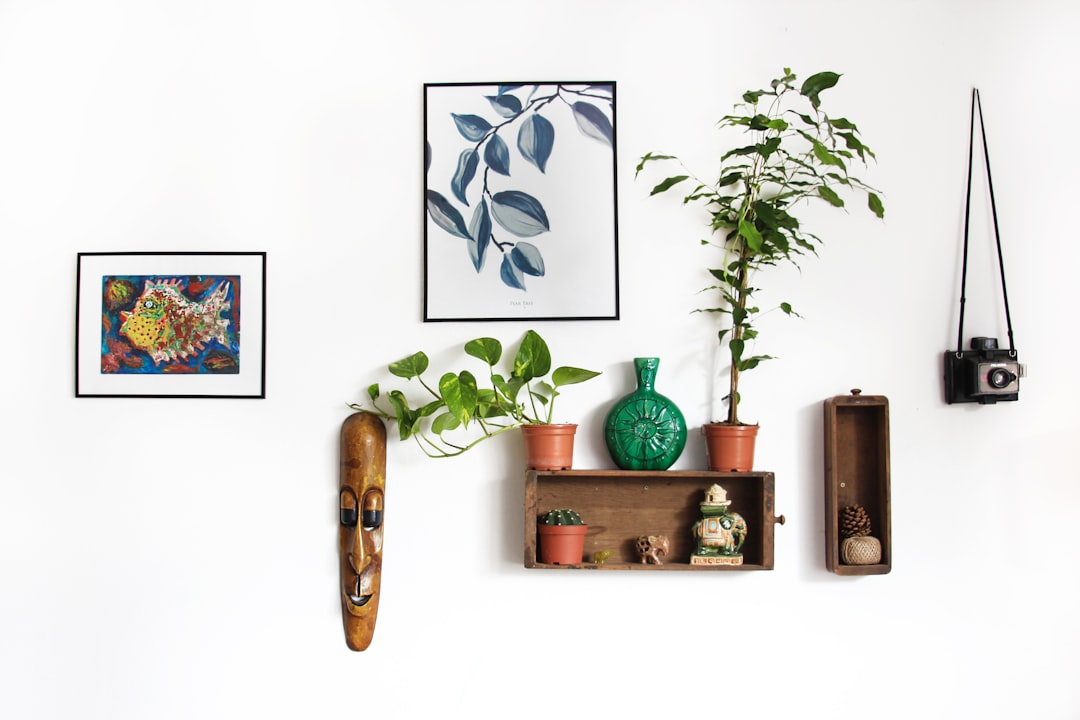
Simple Wall Decor Ideas for Every Room
Updating wall decor doesn’t require a full renovation. With a few well-chosen pieces and simple layout strategies you can transform the look of any room quickly and affordably.
This guide offers practical, room-by-room ideas you can implement today—using art, textiles, lighting and small accents to create balance, personality and function without clutter.
Living Room: Anchor the Space with Art and Layers
Start by choosing one focal wall—above the sofa or mantel—and build outward. A framed gallery or a single statement piece sets the tone. For a minimalist, cohesive look, consider neutral prints that tie together cushions and rugs; a set like these framed neutral prints works well in modern or transitional rooms: Framed Neutral Abstract Wall Art.
Layering with tabletop and surface decor keeps walls from feeling flat—pair wall art with curated coffee table objects for cohesion. Try grouping three elements (book, plant, decorative bowl) on a tray to echo tones from your wall piece: Coffee Table Decor helps pull the room together and makes the wall art feel intentional.
Bedroom: Create a Calm Backdrop
In bedrooms, prioritize proportion and serenity. Hang art at eye level over the bed and choose frames that match your headboard or nightstands. Soft textiles on the walls—such as a small woven piece or fabric panel—reduce echo and add warmth.
Coordinate wall color and bedding so the visual weight is balanced. A neutral, textured comforter can make bold art feel grounded; consider a soft, all-season comforter set when planning your palette: Bedsure King Comforter Set.
Dining Room: Art and Shelves that Encourage Gathering
Dining spaces benefit from art that reads well at a distance. A horizontal piece centered above a buffet or sideboard balances the dining table. Alternatively, use a slim shelf to display rotating plates, framed photos or a small plant—this creates interest without overwhelming the meal area.
When hanging art above a buffet, keep the bottom edge 3–6 inches above the furniture to maintain a visual connection. For cohesive tablescapes, echo the wall colors in small table accents so the room reads as a single composition.
Kitchen: Functional Decor and Open Shelves
Kitchen walls are ideal for practical decor: open shelving for cookbooks and dishes, hung hooks for utensils, or a single framed print to soften the work zone. Use wall-mounted storage and attractive containers to make essentials part of the display.
If you use open shelves, keep a consistent rhythm—alternate plates, bowls and decorative items to avoid clutter. A small tray or platter can organize items on a shelf and create a deliberate vignette.
Bathroom: Small Walls, Big Impact
Bathrooms often have limited wall space but plenty of opportunity. Choose two or three small pieces that can withstand humidity, or use moisture-resistant frames and prints. Mount a narrow shelf over the toilet for toiletries and a plant to bring life to the wall.
Keep small storage solutions stylish and accessible. A tidy countertop enhances any wall display, so pair small art with practical organizers to keep surfaces clean: Bathroom Countertop Organizers are a simple way to maintain a neat look while complementing wall decor.
Entryway & Hall: Make a Smarter First Impression
The entryway sets expectations for the rest of the home. Use a narrow console with a mirror or framed art above it to open the space. Mirrors increase light and make small halls feel larger; a small gallery of family photos can add warmth without clutter.
Practical decor doubles as organization: hooks, a slim shelf, or baskets keep shoes and gear tidy. Wicker or woven baskets work well under a console to hide seasonal items while adding texture; choose decorative storage that matches your entry style: Decorative Storage Baskets.
Home Office: Focused Walls for Productivity
In a workspace, wall decor should reduce distractions and improve focus. A single large print or a small, neat gallery behind your desk provides a professional backdrop for video calls. Use floating shelves for reference materials and a pinboard for actionable notes.
Good lighting clarifies both work and wall displays; place floor lighting behind or beside the desk to enhance depth and reduce glare on screens. If you need glare-free adjustable light, explore floor lamp options that suit your office scale: Floor Lamps.
Cozy Corners & Reading Nooks
Turn small alcoves into cozy reading spots with layered textiles, a low shelf and soft lighting. Hang a small print or a fabric wall hanging at the height of a seated person so the art feels within reach.
Add a throw and a few pillows to invite lingering—textiles tie the wall into the seating. Lightweight blankets that coordinate with the wall tone soften the area and make the space inviting: Throw Blankets.
Checklist: Quick Steps to Better Wall Decor
- Choose a focal wall and work outward.
- Hang art so its center is at eye level (about 57–60 inches from the floor).
- Keep spacing consistent: 2–4 inches between grouped frames, wider for large pieces.
- Match frame finishes or mat color for a cohesive look.
- Balance scale—large furniture needs larger art; small furniture pairs with smaller groupings.
- Integrate function: hooks, shelves and organizers that look clean and intentional.
FAQ
- What size art should I hang above a sofa? Aim for art or a grouping that spans 60–75% of the sofa width for balanced proportion.
- How high should I hang art in dining rooms or bedrooms? Keep the center of the art at eye level (about 57–60 inches), and 3–6 inches above furniture pieces.
- Can I mix frame styles? Yes—mixing frames works if you maintain consistency in color tone or mat style to unify the grouping.
- How do I make small walls look intentional? Use one strong piece, a mirror, or a small shelf vignette; keep surrounding surfaces tidy to emphasize the display.
- What’s the best way to hang a gallery wall? Lay pieces on the floor first to plan spacing, then measure and mark wall anchors; maintain consistent gaps between frames for a cohesive grid.
Conclusion
Effective wall decor is about proportion, cohesion and purpose. Start with one focal point, coordinate colors and textures, and add functional accents that keep the space tidy. Small, deliberate changes—art, lighting, storage and textiles—create rooms that feel curated and livable.
Products Featured in This Article
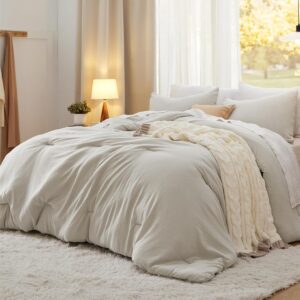
Bedsure King Comforter Set, Beige S…
Product description The video showcases the product in use.The video guides you through product setup.The video…
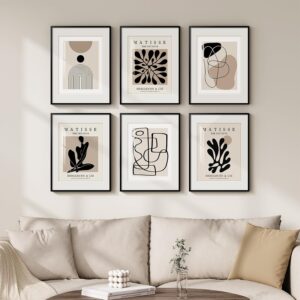
Framed Neutral Abstract Wall Art fo…
Product description [Framed Wall Art]: A set of 6 neutral black white beige modern minimalist matisse…